Gaming platforms have a way of looking nearly identical until you actually use them. Same mobile-first setup, same dual currency structure, similar game thumbnails in the lobby — and yet the experience of sitting with one versus the other for a few sessions starts to feel genuinely different. That gap is what this comparison is actually about.
VBlink and Ultra Panda both live inside the same broader sweepstakes ecosystem — and both have built real audiences. But they've done it by appealing to different instincts. One rewards curiosity. The other rewards routine. Those aren't minor personality differences in a platform — they shape session duration, retention rates, and how comfortably an agent can build a stable player base around either one.
Mobile gaming research from Statista consistently shows that ease of access and reduced onboarding friction are the two biggest factors in platform adoption. Both VBlink and Ultra Panda understand this — they just solve for it differently. Understanding that distinction before you commit time and energy to either one is worth the 10 minutes it takes to actually read a comparison that goes deeper than a feature table.
VBlink
Flexible Gaming Architecture Designed for Variety Seekers
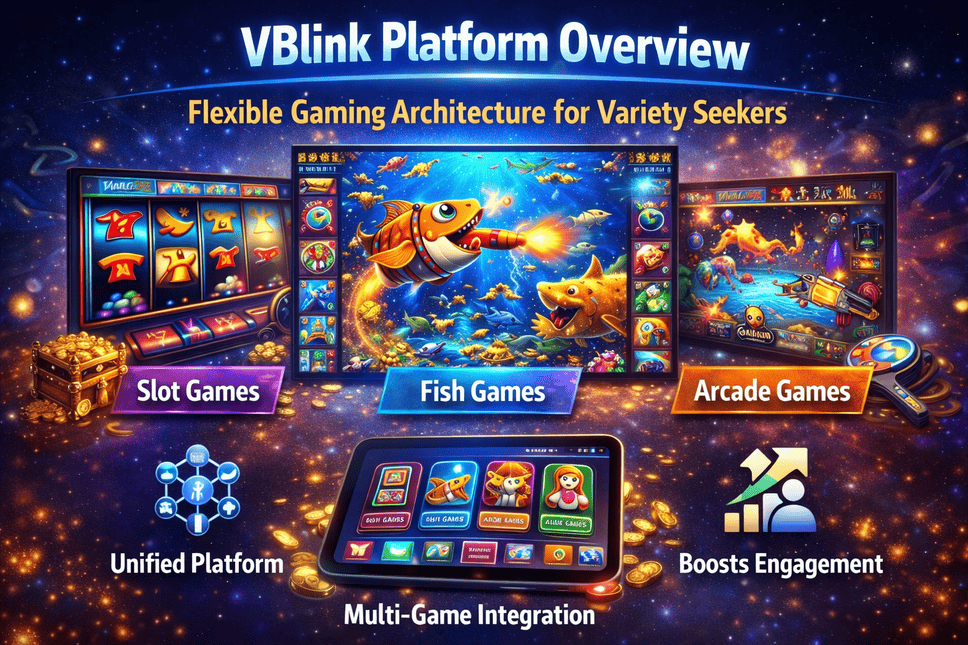
VBlink is built for the kind of player who gets restless. Not in a way that causes problems — more in the way that someone browsing a restaurant menu genuinely wants four things and feels mild frustration when they have to pick one. The platform's unified interface pulls multiple game styles into a single environment, which means players can move from fish table mechanics to slot-style loops without switching apps or relearning navigation.
That structural decision has a behavioral consequence most people don't immediately notice: when moving between game types requires no friction, session time increases. Players who might have stopped after exhausting one game type simply... keep going. This connects to broader patterns around interactive feedback loops and digital engagement — immediate reward variety keeps curiosity active longer than a single repeated structure ever could.
Within the Elite Entertainment Games distributor ecosystem, VBlink often gets mentioned alongside Orion Stars and Fire Kirin as a natural option for agents who want to serve a broader demographic without juggling a dozen separate platforms.
Game Environment Mechanics
- 1 Fish table interaction systems that reward timing and target decisions
- 2 Slot-style reward loops with symbol-based progression
- 3 Arcade-inspired visual feedback that responds instantly to player input
- 4 Multi-level bonus progression systems that reward session depth
Ultra Panda
Streamlined Experience Designed for Consistency
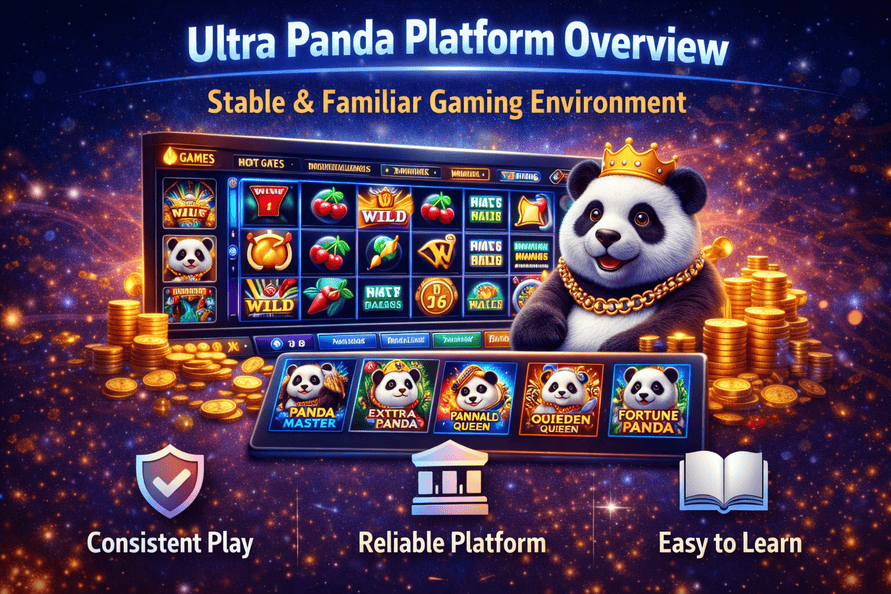
Ultra Panda is doing something different and it's worth giving it credit for the choice. Rather than trying to serve every player type with an expanding catalog, the platform doubled down on clarity. The interaction patterns stay consistent across game types. Once you understand the rhythm of one environment, the next feels immediately familiar — and that's a deliberate design decision, not a limitation.
Research on decision fatigue in digital product design from the Nielsen Norman Group makes a compelling case for this approach: every extra choice a user has to make is a small tax on their energy. Platforms that eliminate unnecessary decisions create environments where users relax faster — and relaxed users stay longer than stressed ones.
From a distribution standpoint, Ultra Panda sits naturally alongside Game Vault 999 and Panda Master in many distributor networks — platforms that share a similar philosophy of serving players who want to feel immediately at home rather than impressed by complexity.
Reliable environments often generate trust faster than complex ones. And trust, in a gaming context, converts into repeat sessions more reliably than novelty ever does. — on Ultra Panda's retention logic
Core Differences Between VBlink and Ultra Panda
The interface complexity question is where most people start — and where a lot of comparisons end without going further. VBlink introduces a broader range of interactions earlier in the experience. Players who enjoy that exploratory opening phase tend to stick around long enough to discover the depth. Players who don't enjoy it tend to bounce quickly and describe the platform as overwhelming, even when it technically isn't.
Ultra Panda's consistent interaction patterns mean cognitive load stays low throughout the session. People rarely notice how much mental energy navigation consumes until they use a platform that demands less of it — and then they notice immediately.
| Category | VBlink | Ultra Panda |
|---|---|---|
| Game Diversity | Extensive catalog | Focused catalog |
| Interaction Mechanics | Varied across game types | Consistent throughout |
| Onboarding Speed | Moderate | Fast |
| Learning Curve | Moderate — rewards familiarity | Beginner-friendly |
| Interface Complexity | Medium | Low |
| Gameplay Pacing | Dynamic | Steady |
Neither platform is universally better. Preference shapes perception — and the platform that fits your player base depends on what your players are actually looking for when they open the app.
Player Retention Psychology Behind Platform Choice
Engagement patterns don't happen by accident. The platforms players return to have usually done something specific to earn that return visit — and the mechanism differs significantly between VBlink and Ultra Panda.
VBlink environments stimulate curiosity by varying the visual and mechanical experience across sessions. Players who are novelty-seeking by nature find something worth coming back for because the next session genuinely feels different from the last. Psychology research on habit formation suggests that predictable reward systems build long-term retention — but variety prevents the boredom that causes novelty-seekers to abandon any single reward structure eventually.
Ultra Panda works on different psychology. The consistency is the point. Players who return to a familiar structure aren't settling for less — they're getting exactly what they came for, without the cognitive overhead of adapting to something new. That reliability creates a particular kind of loyalty that variety-driven platforms often struggle to replicate in their more routine-oriented user segments.
VBlink Retention Driver
Curiosity. Players return to discover what's next — new environments, different mechanics, fresh visual contexts. Variety is the hook.
Ultra Panda Retention Driver
Comfort. Players return because the experience is exactly what they expect — reliable, low-friction, and immediately satisfying.
Distributor Perspective on Platform Ecosystem Stability
From a distributor's standpoint, the retention question isn't philosophical — it's financial. Platforms that create steady engagement patterns produce more predictable monthly income than platforms that spike and fade based on novelty cycles. That's the lens most serious agents use when evaluating platform choices, and it changes how the VBlink vs Ultra Panda decision looks considerably.
Many operators in the Elite Entertainment Games distributor network run both platforms simultaneously rather than choosing one. The logic is straightforward: VBlink captures players who want to explore, Ultra Panda captures players who want consistency, and distributing across both avoids the ceiling that comes with serving only one player type. Some also extend further — adding Milky Way and Riversweeps to diversify further.
Compliance awareness matters here too. Operators building stable distributor networks should stay current on the AML requirements for sweepstakes game rooms and understand whether their transaction volume raises MSB licensing considerations. The FinCEN guidance portal is worth keeping bookmarked for ongoing reference.
Technology and Mobile Performance in 2026
Mobile optimization has gone from a nice-to-have to a basic expectation. Statista data puts mobile's share of digital entertainment sessions north of 70% — which means any platform that performs inconsistently on mobile is losing the majority of its potential audience to friction, not competition.
Both VBlink and Ultra Panda operate within mobile-first architectures with cross-device session continuity. The practical difference is how their respective interface complexities translate to smaller screens. Ultra Panda's simplified structure naturally compresses to mobile without much adjustment — fewer elements means less that can go wrong. VBlink's richer interface is well-optimized but benefits slightly more from larger displays where its multi-game variety is easier to navigate without feeling cramped.
Small friction points determine whether users return. A session that ends because of a loading issue or a navigation confusion doesn't produce a player who tries again tomorrow — it produces a player who tries a different platform tomorrow. Both platforms understand this, which is why mobile stability remains a genuine priority for each rather than an afterthought.
Which Platform Better Matches Different Player Preferences
The honest answer is that platform preference usually reveals something about the player more than it reveals something about the platform. Curiosity-driven players will find VBlink immediately appealing and Ultra Panda slightly underwhelming. Comfort-driven players will find Ultra Panda immediately welcoming and VBlink slightly exhausting. Neither reaction is wrong — they're just different.
Choose VBlink if —
Your players want to explore. If they get restless in environments that don't change, VBlink's variety-driven structure gives them somewhere new to go within a single session — without ever having to leave the platform.
Choose Ultra Panda if —
Your players want comfort. If they open a gaming app to relax rather than engage, Ultra Panda's consistent structure lets them do that without burning mental energy on navigation or mechanics they didn't ask to learn.
Players rarely stay within a single platform indefinitely anyway. Cross-platform familiarity develops naturally over time, and platforms like Juwa and Golden Dragon often appear in the same discovery paths — meaning a player who starts on Ultra Panda may eventually explore VBlink once their comfort level with the ecosystem grows. Familiar interfaces reduce the friction of that expansion.
Future Platform Trends That Will Influence Player Behavior
Platform evolution doesn't wait for comparison articles to catch up. Adaptive UI personalization — environments that adjust their interface complexity based on observed user behavior — is already moving from research into product development cycles. The practical implication for platforms like VBlink and Ultra Panda is that the distinction between "variety-driven" and "consistency-driven" may eventually become less binary as platforms learn to serve both instincts simultaneously.
Gartner's research on personalization technologies documents how behavioral signals are increasingly used to shape digital product experiences dynamically. Future gaming environments may adjust reward pacing, interface density, and game suggestions based on individual session patterns — which would make the rigid platform-type distinction feel less relevant over time.
For now, though, the choice between VBlink and Ultra Panda is a real one with real consequences for player satisfaction and distributor retention. Understanding what each platform is actually optimized for — not just what features it lists — is still the most reliable path to making a choice that holds up over months of real operation. The 2026 platform guide for smart operators covers the broader landscape if you want additional context before deciding.
Frequently Asked Questions